If you're new to EVs, the alphabet soup of charging — AC, DC, Type 2, CCS — can feel intimidating. It really isn't. Here's everything you need in plain English, focused on what's used here in South Africa.
AC vs DC: where the conversion happens
Batteries store DC (direct current). The grid delivers AC (alternating current). Somewhere between the wall and the battery, AC has to become DC. The only difference between AC and DC charging is *where that conversion happens*.
- AC charging (home & most workplace charging): the conversion happens inside your car, using its built-in onboard charger. That onboard charger is what limits home charging speed — typically 7.4–22 kW.
- DC charging (public fast-chargers): the conversion happens inside the charging station, which feeds DC straight to the battery. That’s why DC chargers are big, expensive and fast — they do the heavy lifting, not your car.
The simple rule
AC = slower, cheaper, perfect for parking overnight at home. DC = fast, for topping up on a road trip. You’ll do the vast majority of your charging on AC at home.
The connectors used in South Africa
South Africa follows the European standard, which keeps things simple:
Connectors you’ll see in South Africa
| Connector | Used for | Where |
|---|---|---|
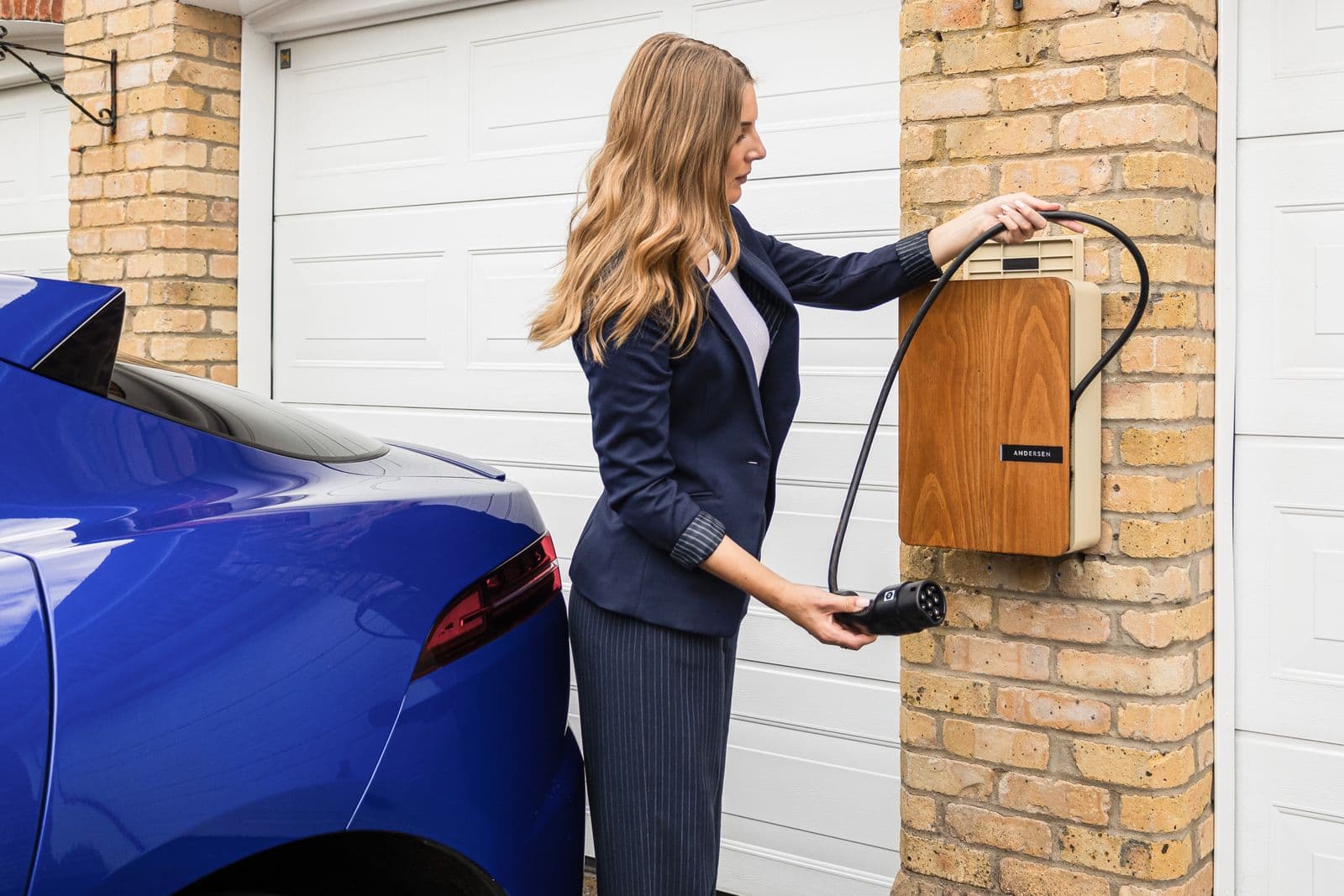
| Type 2 (Mennekes) | AC charging | Home, workplace, AC public points |
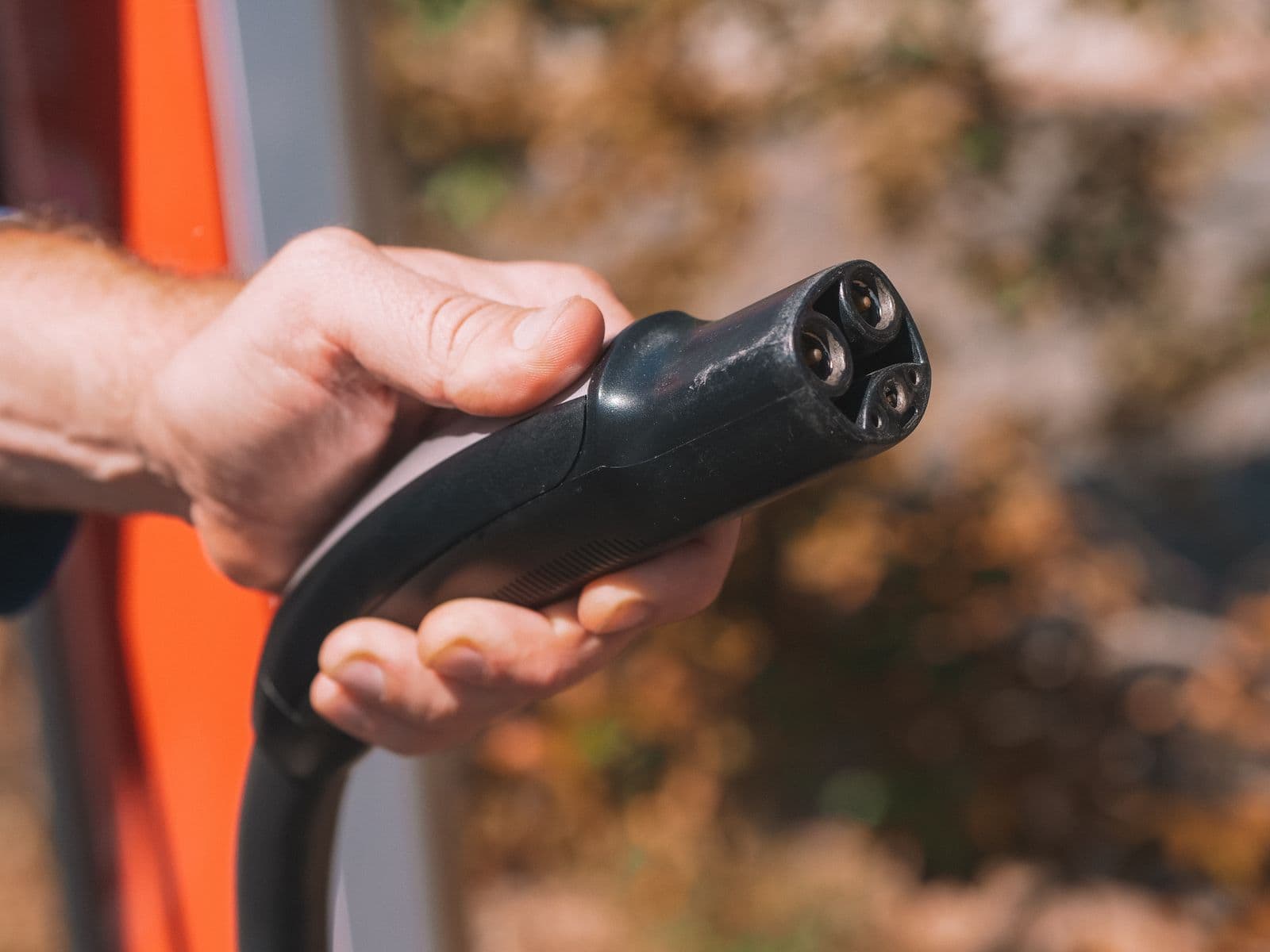
| CCS2 (Combined Charging System) | DC fast charging | Public fast-chargers on highways & malls |
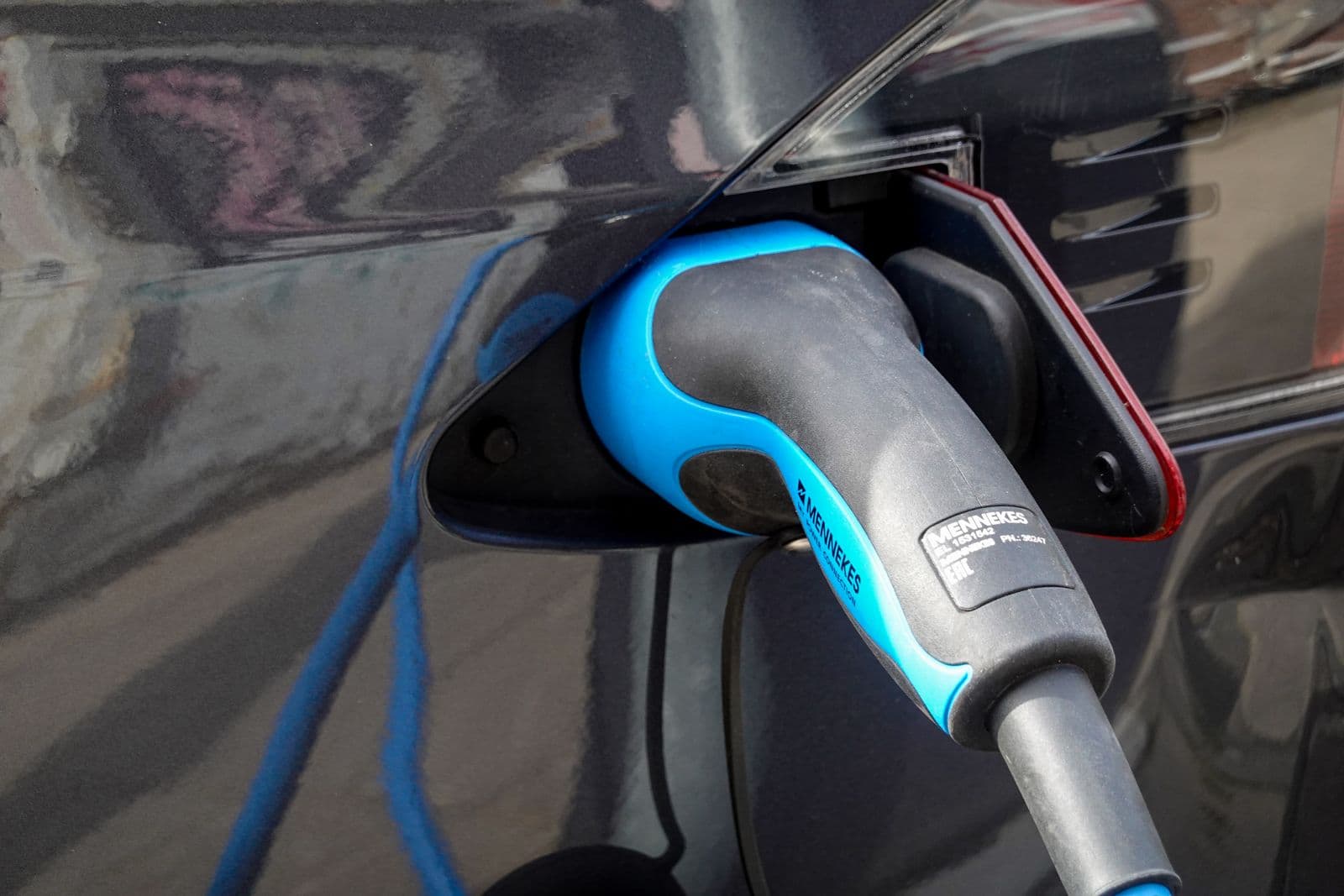
CCS2 is clever: it's the same Type 2 plug on top, with two extra large pins added below for high-power DC. So your car has one charge port that handles both — Type 2 for AC at home, the full CCS2 for DC on the road. Almost every new EV sold in South Africa uses this combination.
What this means for you
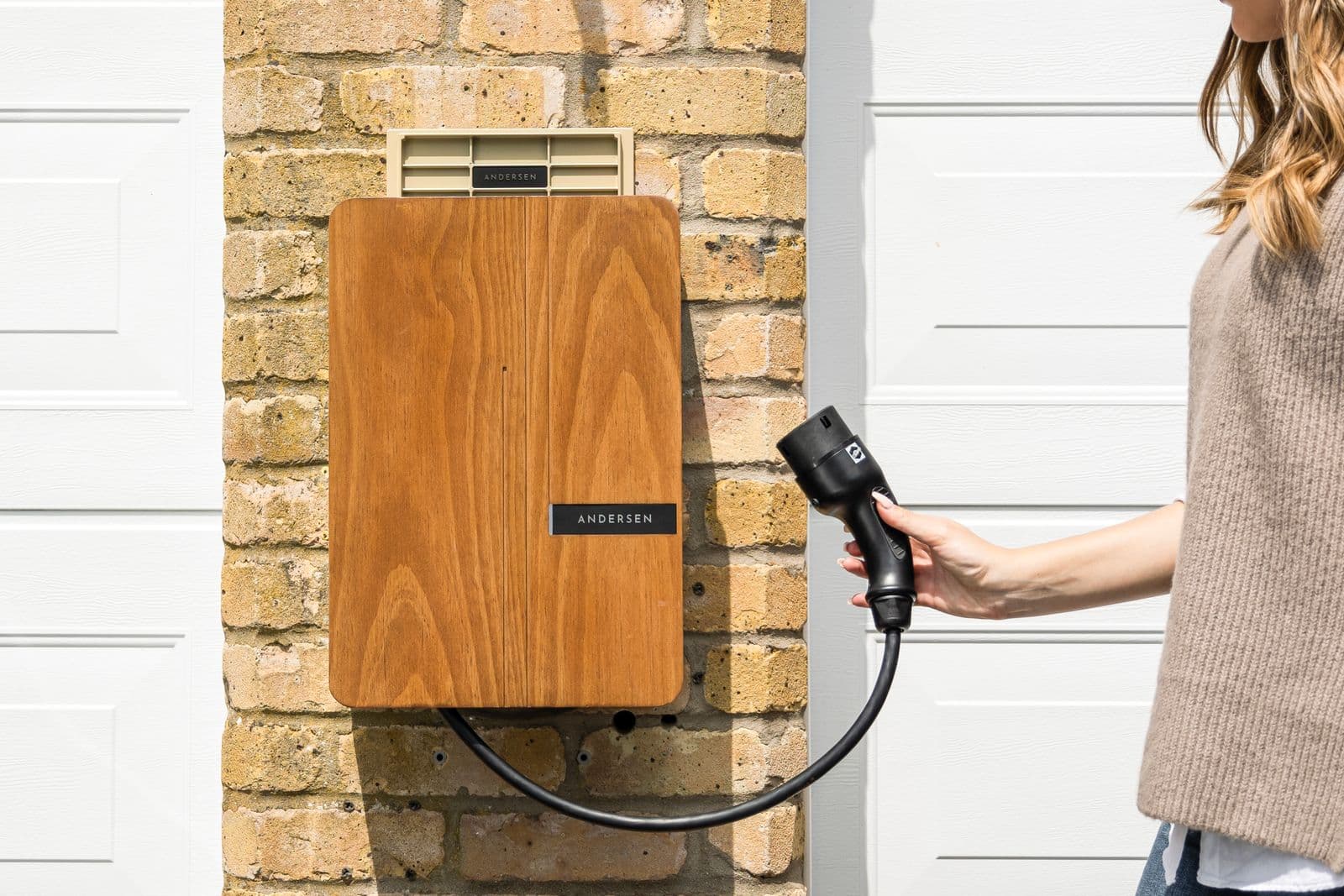
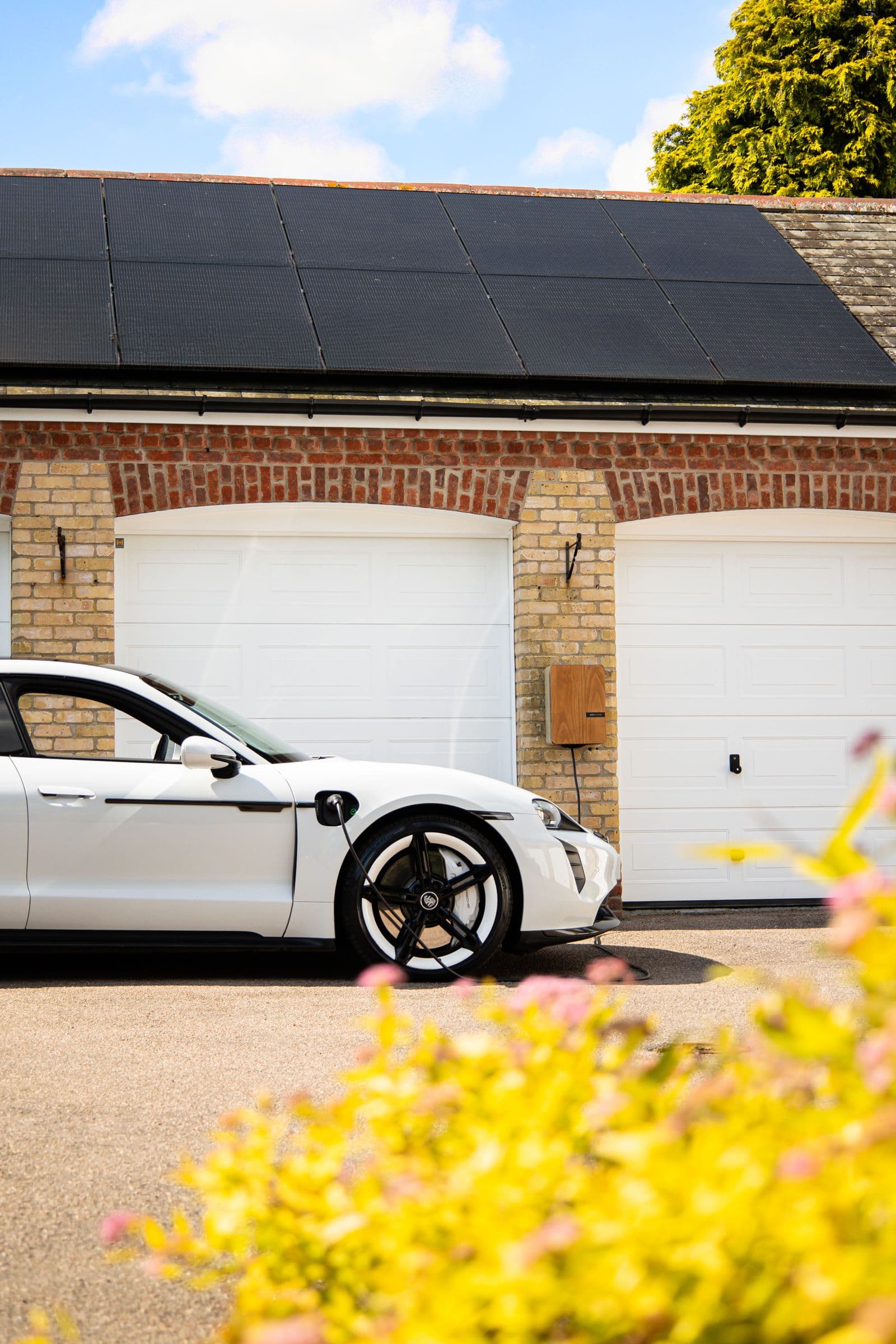
For day-to-day life you only need to think about one thing: a Type 2 AC charger at home. That covers nearly all your charging. Public CCS2 fast-chargers — through networks like GridCars and Rubicon — are there for the occasional long trip. We install Type 2 home chargers for every make and model.
Set up the right charger for your EV
Any brand, Type 2 + CCS-ready — installed and tested for your car.
Get a free quote