When people pick a home charger they often reach for the fastest one — but with overnight charging, the fastest box rarely makes a real difference, and sometimes you literally can't use the extra speed. Here's how the three common AC home speeds compare, and how to choose well.
What each speed actually delivers
As a rough guide (it varies by car and efficiency), here's the range you'd add per hour of charging:
Approximate range added per hour (AC charging)
| Charger | Supply | Roughly adds per hour |
|---|---|---|
| 7.4 kW | Single-phase | ~40 km |
| 11 kW | Three-phase | ~60 km |
| 22 kW | Three-phase | ~120 km |
Your car sets the limit, not just the charger
Every EV has an onboard AC charger that caps how fast it can take AC power. Many EVs accept only 7.4 kW or 11 kW on AC — so a 22 kW wall box would still charge them at 7.4 or 11 kW. Always check your car's max AC rate before paying for more speed than it can use.
So which should you choose?
- 7.4 kW (single-phase) — the right answer for most homes. If you drive normal daily distances and charge overnight, this refills your battery many times over by morning. Cheapest to install, no three-phase needed.
- 11 kW (three-phase) — a sweet spot if you already have three-phase supply and your car accepts 11 kW. Comfortable headroom for big-battery EVs and shorter top-ups.
- 22 kW (three-phase) — only worth it if your car genuinely accepts 22 kW AC (few do) and you need very fast home top-ups. Otherwise the money is better spent elsewhere.
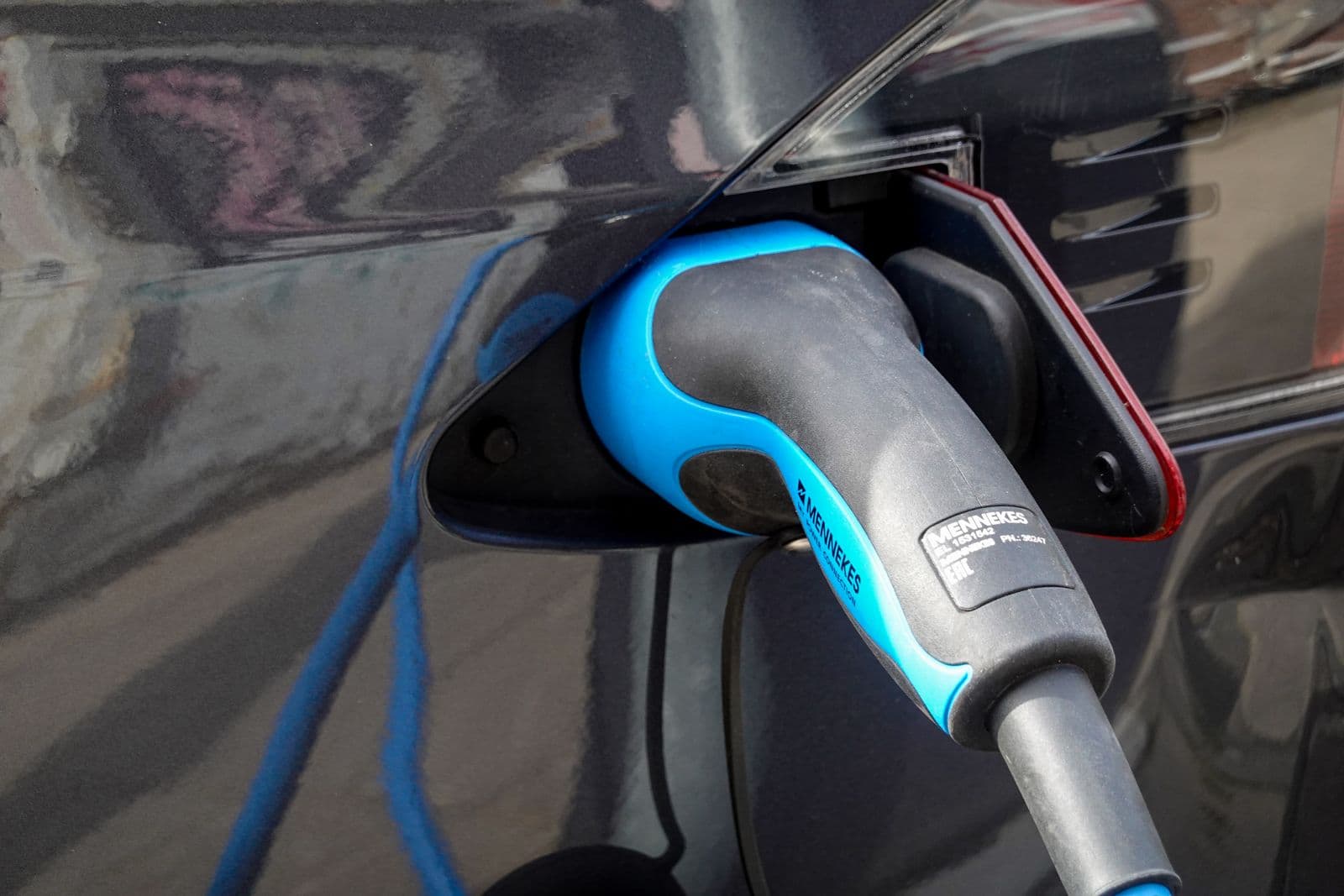
The overnight maths
Here's the part people miss: you're parked at home for 10–14 hours overnight. Even a 7.4 kW charger delivers a huge amount of energy in that window — far more than a typical day's driving. Unless you do very high daily mileage or share one charger between two EVs, 7.4 kW usually has you waking up full.
Not sure what your car accepts?
Tell us your make and model when you ask for a quote — we’ll recommend the charger that matches your car and your supply, so you don’t overspend on speed you can’t use.
Get matched to the right charger
We size the charger to your car and your home — single- or three-phase — and install it neatly.
Get a free quote